In this Impact Report, Rebekah Dyer shares a few snapshots, literally and figuratively, from the outreach event she led in April with a team of dedicated volunteers from the San Diego area. She reflects on important spiritual realities present during any JFA event, and she considers how we should view good results when they happen. Rebekah also relays a reflection from volunteer Isabella on two conversations that brought great encouragement to Rebekah and the volunteers during the outreach. (See our Nov. 2025 post for another reflection from Isabella..) Our teams are in Kansas, Missouri, Oklahoma, and California over the next few weeks. (See upcoming events below.) Thank you for your faithful prayers and financial support! - Steve Wagner, Executive Director
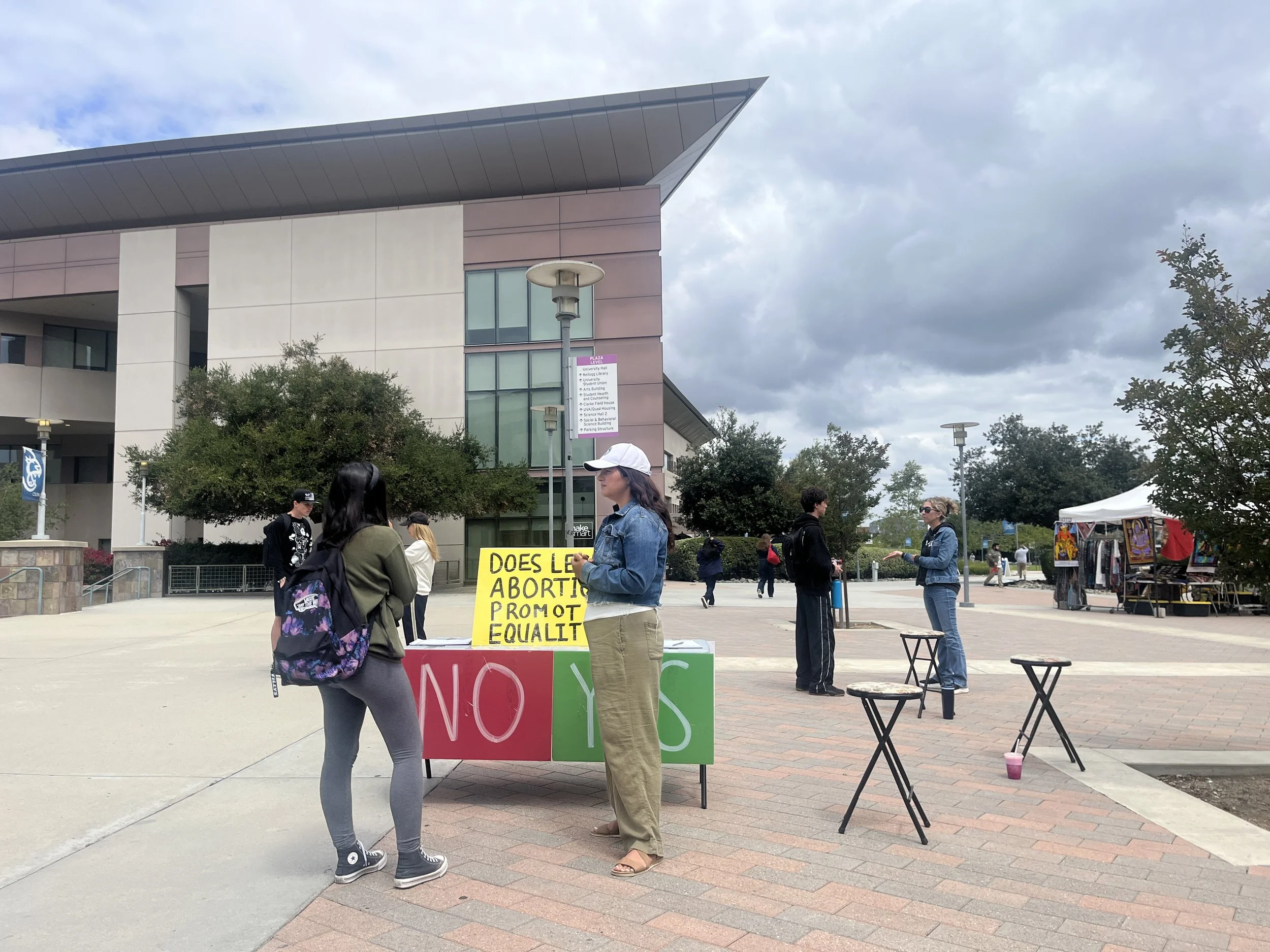
JFA volunteers in conversation at Cal State San Marcos: Isabella (center), Colleen (left in white), and Jennifer (right). The tarot posters are in the background.
During an outreach event at Cal State San Marcos in April, there was a vendor nearby who was selling tarot card posters that read “Death” and “The Devil.” Seeing those posters was a physical reminder to me of the spiritual darkness we are confronting. People support abortion because there are lies they believe, and every lie ultimately finds its root in the adversary, satan. He seeks to steal, kill, and destroy (John 10:10), and I think that one of the clearest ways we see his work is in the killing of unborn image bearers of God.
While death and the devil tarot cards hung nearby that day, JFA volunteer Isabella talked to a student who changed her mind on abortion and another student who said he was beginning to shift his position. I also had a wonderful conversation with a student that day about Jesus and the gospel. I think it was a special grace that God gave us these conversations that day and allowed us to see good results. I’m grateful that even on days when I do not get to witness results like this and even when it may seem like spiritual darkness has the upper hand, He who is in us is greater than he who is in the world. (1 John 4:4)
Isabella’s Two Conversations
This outreach day in April reminded me why Justice For All emphasizes dialogue over debate. I had the opportunity to talk with two students at CSUSM who introduced themselves as pro-choice but were open and curious to hear different perspectives on abortion. As we asked each other questions and respectfully worked through the issue of abortion together, I was reminded how genuine dialogue allows people to thoughtfully examine the reasons behind their beliefs.
The first student shared that her only real exposure to the pro-life position was the argument that an unborn child could one day become the president or cure cancer. I told her that, although I oppose abortion, I don’t believe that’s the strongest argument. Neither of us had cured cancer or were likely to become president, yet we both agreed that we possess basic human rights, including the right to life. Those rights aren’t based on our accomplishments or future potential, but on our humanity. From there, we stepped back and asked a more fundamental question: What is the unborn? After discussing the biological reality that the unborn is a living human being, we explored whether differences in development or consciousness determine who deserves human rights. By the end of our conversation, she told me she had changed her mind about abortion.
The second student entered the conversation describing himself as a moral relativist, so our conversation expanded from just abortion to whether objective moral truth exists at all. We discussed difficult cases, such as ectopic pregnancy, and the distinction between treating a life-threatening medical condition and intentionally ending the life of an unborn child. We also talked about how in various times of human history, we have seen absolute atrocities fall under requiring people to be “human-plus-something” before recognizing their rights. That led to a meaningful conversation about why human rights should rest simply on being human, rather than on subjective characteristics like race, sex, or ability. He said he had never thought of it like that and he was beginning to change his mind.
Regardless of what outcomes I witness in my conversations this fall, I’m grateful we can trust in the One who holds all things together (Colossians 1:17). Thank you for your support and prayers.
Note, this post was originally posted on 9/17/2026. The note from Steve and the events list below were added on 10/2/2026.
Recent Outreach Events
9/14 Adams State Univ. (Alamosa, CO)
9/14 Palomar College
9/15-16 Univ. of Colorado (Colorado Springs, CO)
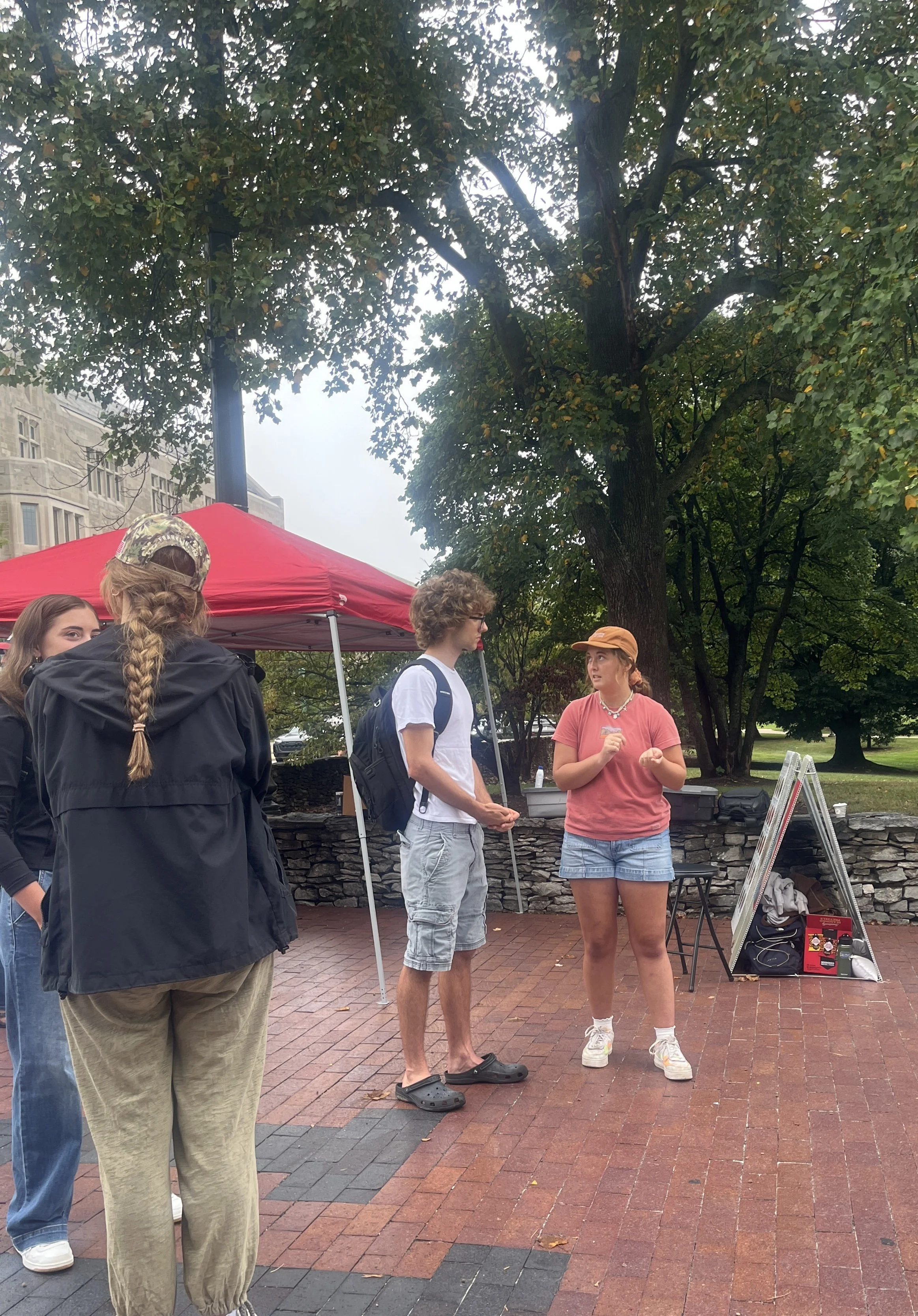
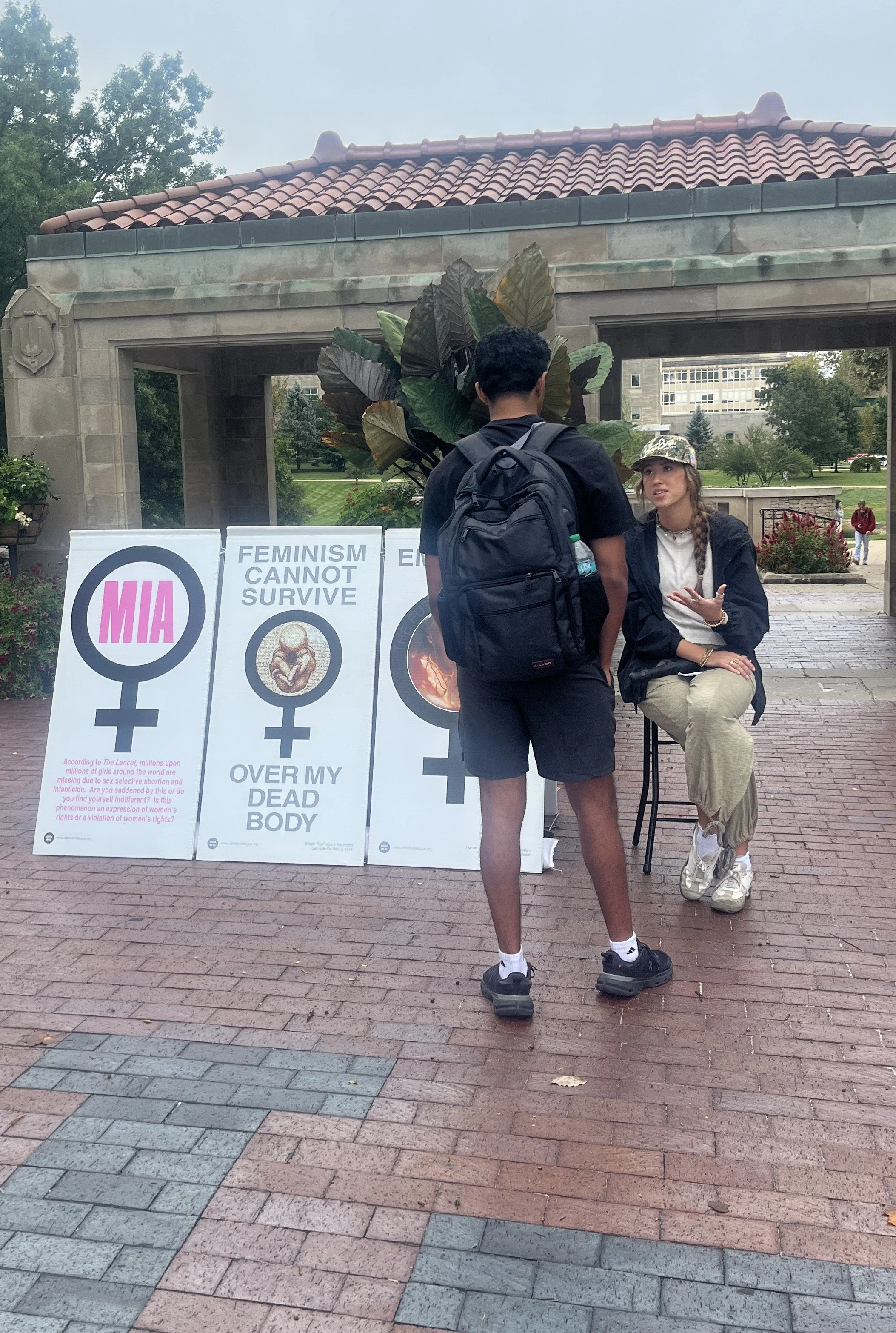
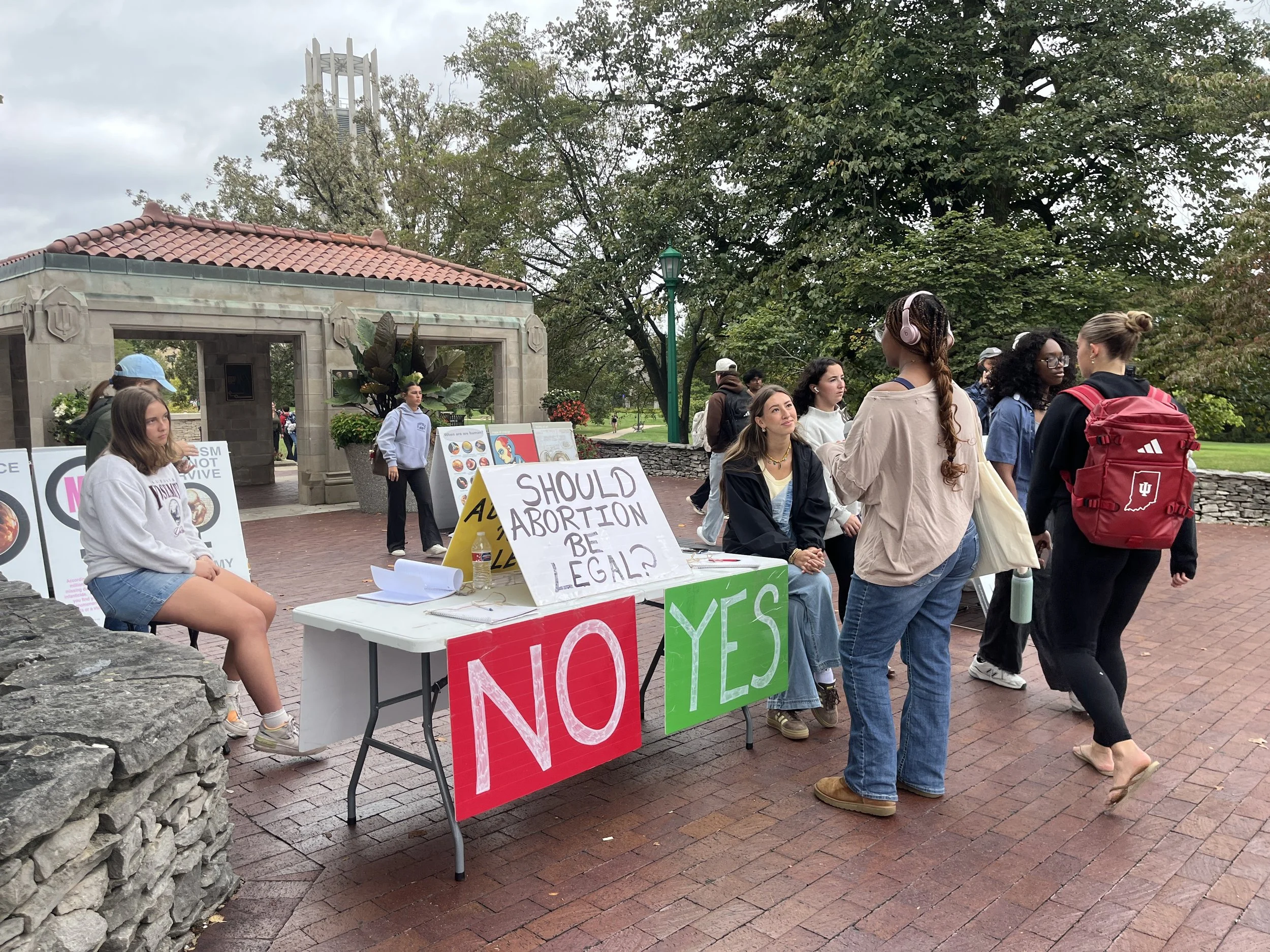
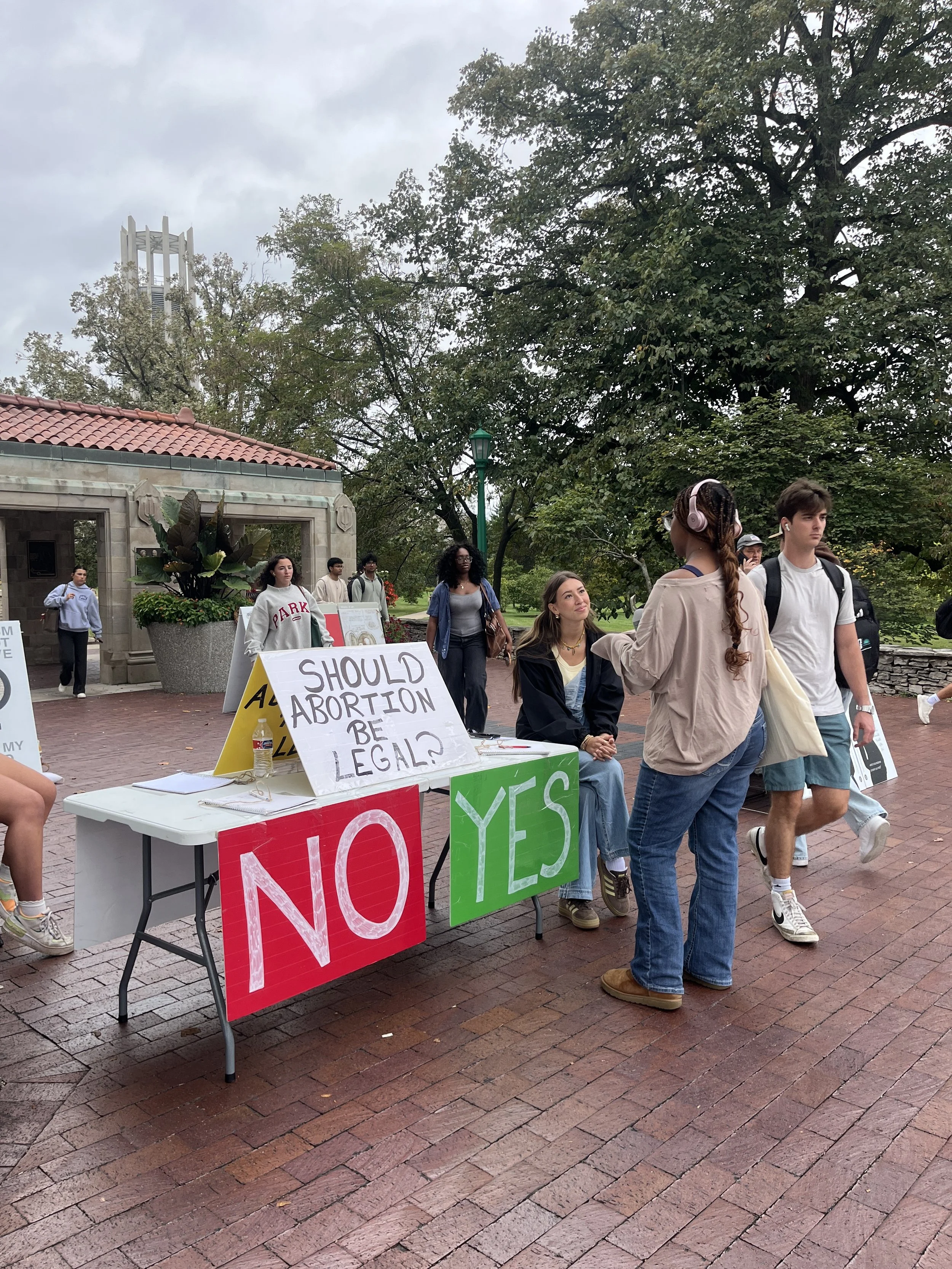
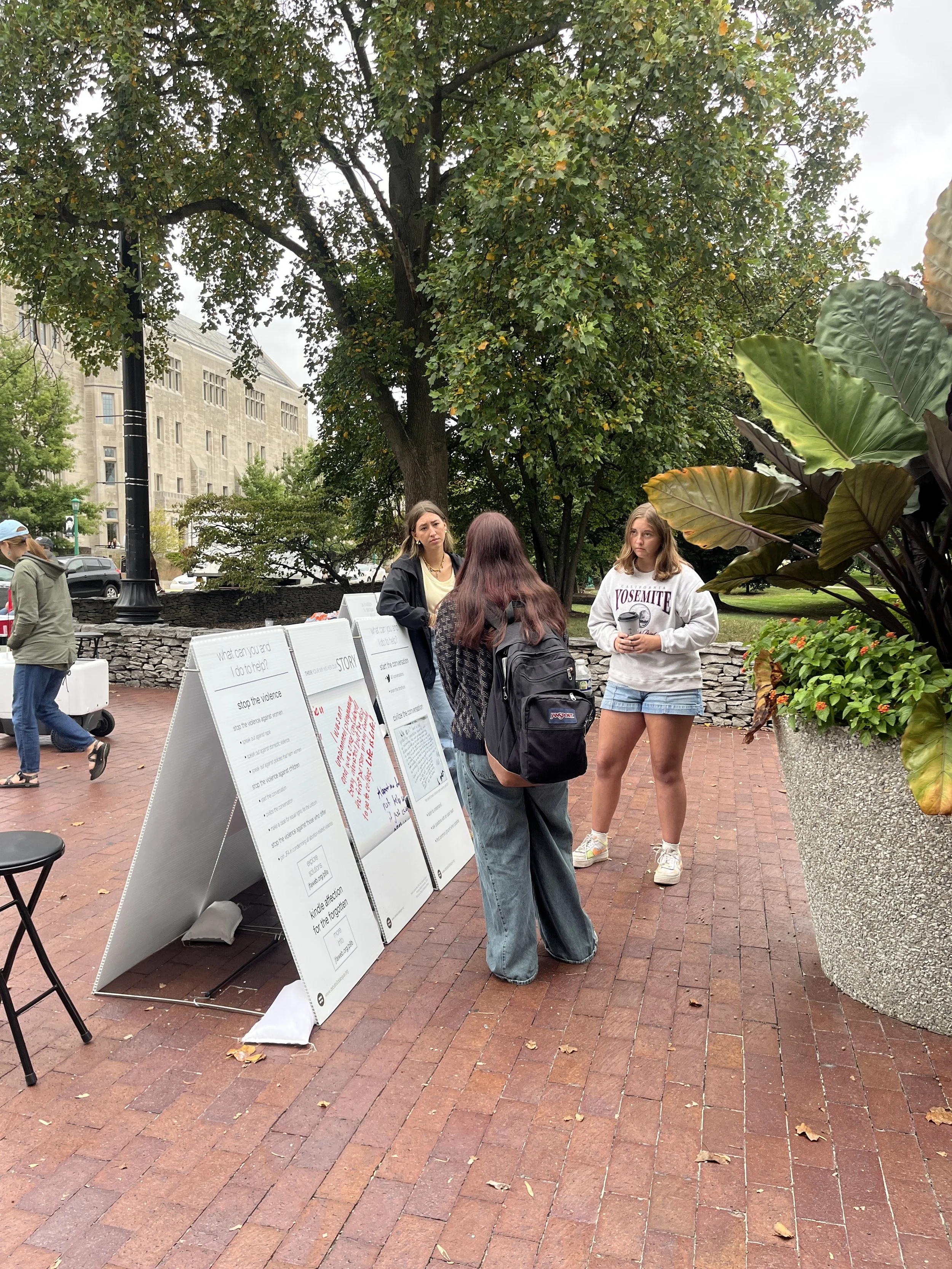
9/21-22 Indiana Univ. (Bloomington, IN) - See images of fall 2026 interns Lily and Ava interacting with IU students below.
9/25 Univ. Of Arkansas (Fayetteville, AR)
9/28 MiraCosta College (Oceanside, CA)
Upcoming Outreach Events
10/5-6 Kansas
10/7 Missouri
10/26-27 Oklahoma
10/26-27 California
10/28 California
11/16-18 Arkansas
11/16-17 Texas
11/18 Texas