In our October 2026 Outreach Reflection, JFA trainer Jonathan Wagner illustrates the importance of not rushing a conversation even while we boldly challenge a person to change. — Our team has been training people through workshop and outreach events recently in CA, CO, IN, AR, KS, MO, NE, and online. In addition, Kaitlyn led two Deeper Still post-abortion healing retreats in OH and MI. We’re also excited to announce that all four of our interns are now raising support to serve with JFA as Training Specialists! — In the coming days, we’ll be in OK, CA, TX, and AR. Check out our calendar for details. Join us in one of these places if you can. Please pray for us and support our work financially. We’re eager to train more Christians, and we need your help! -Executive Director, Steve Wagner
Two recent interactions with “Ben” and “Cassie” reminded me that everyone has a story, and that it’s often an incredibly difficult one. The interactions burned in my mind the need to sit patiently within the tension, process graciously, and listen well. While Ben and Cassie didn’t immediately agree with the action steps I was recommending, they did agree with many of my key points. They were wrestling, so it’s good I didn’t rush things.
Resistance to the Truth Began to Melt
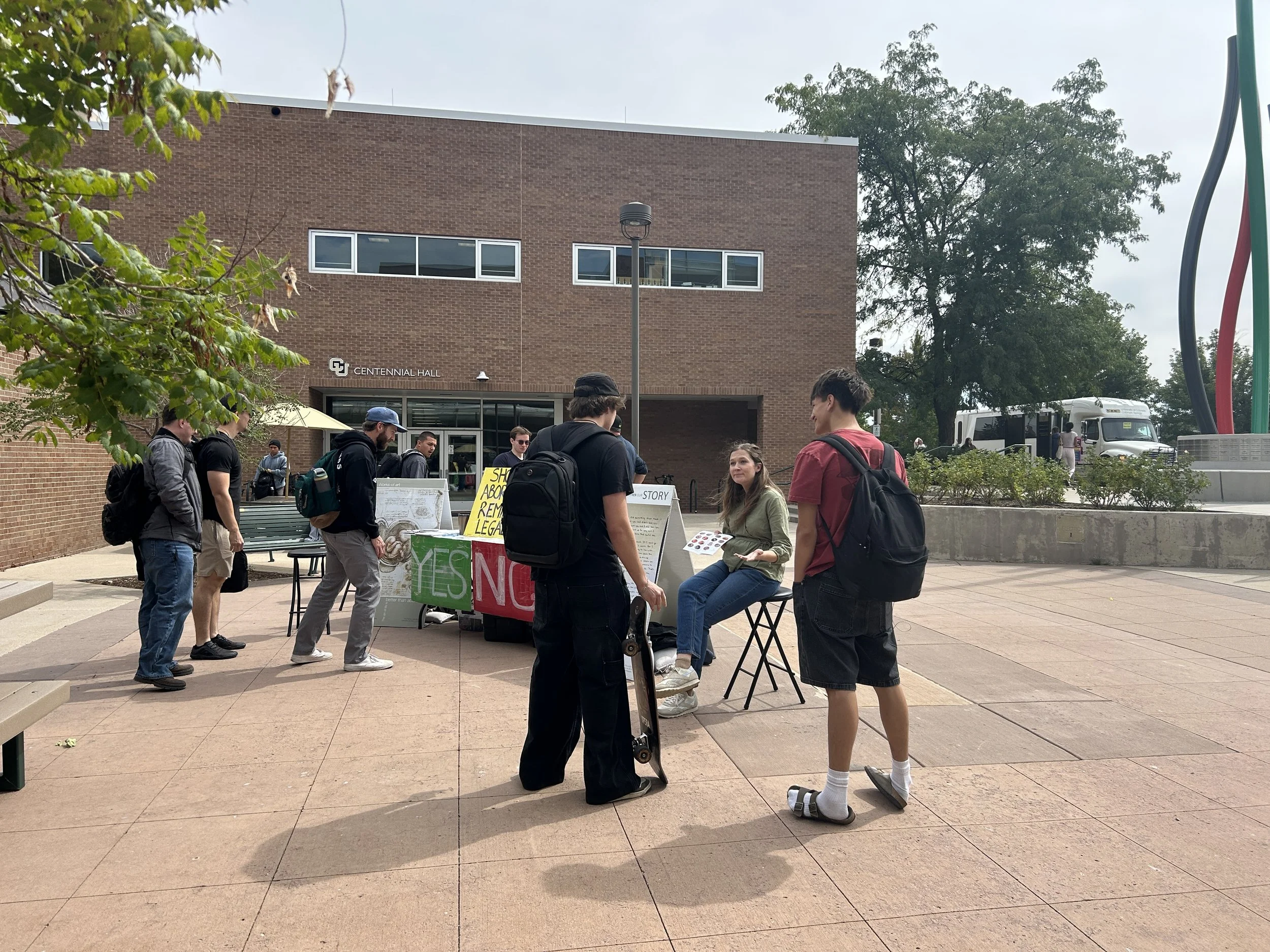
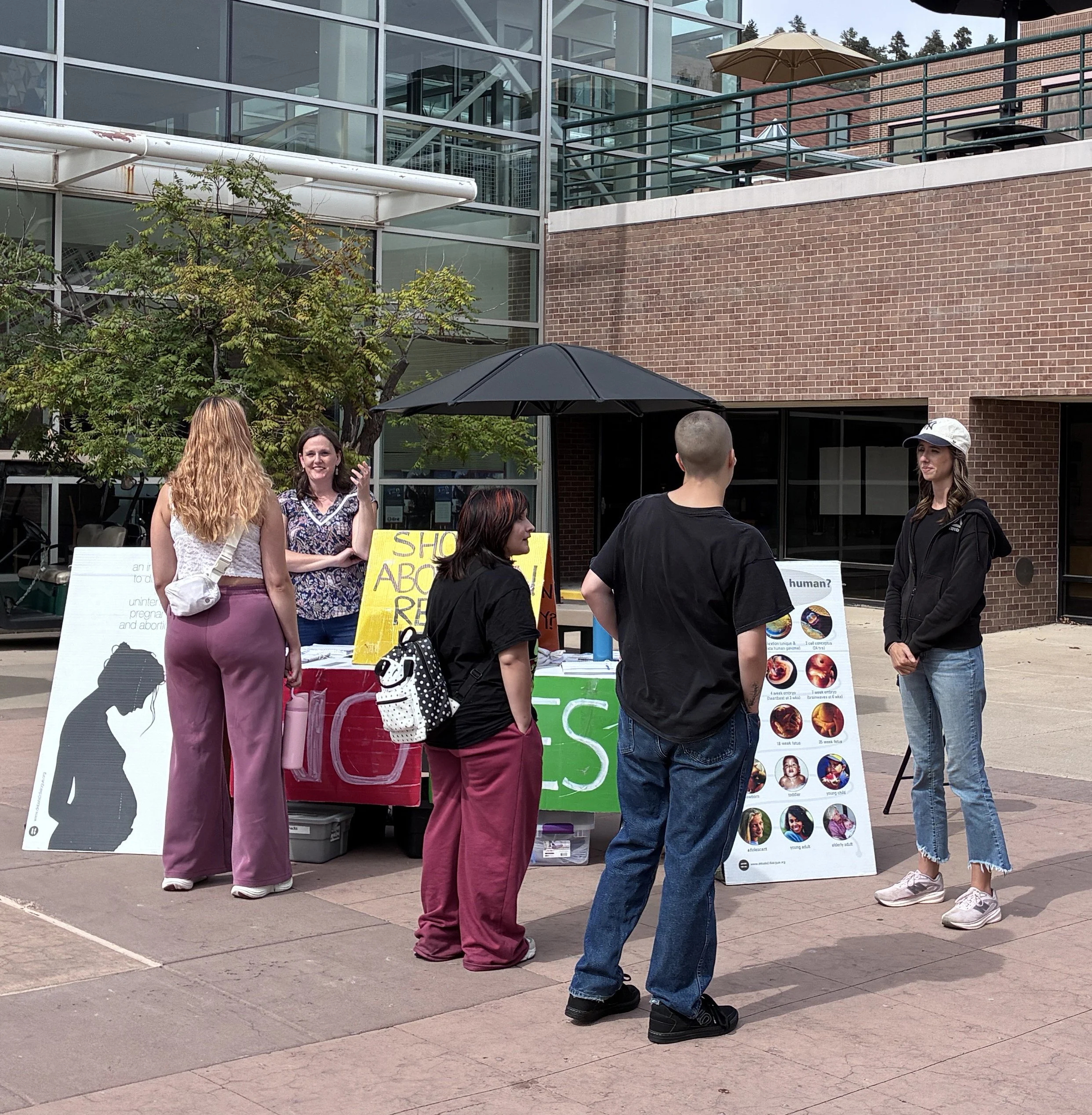
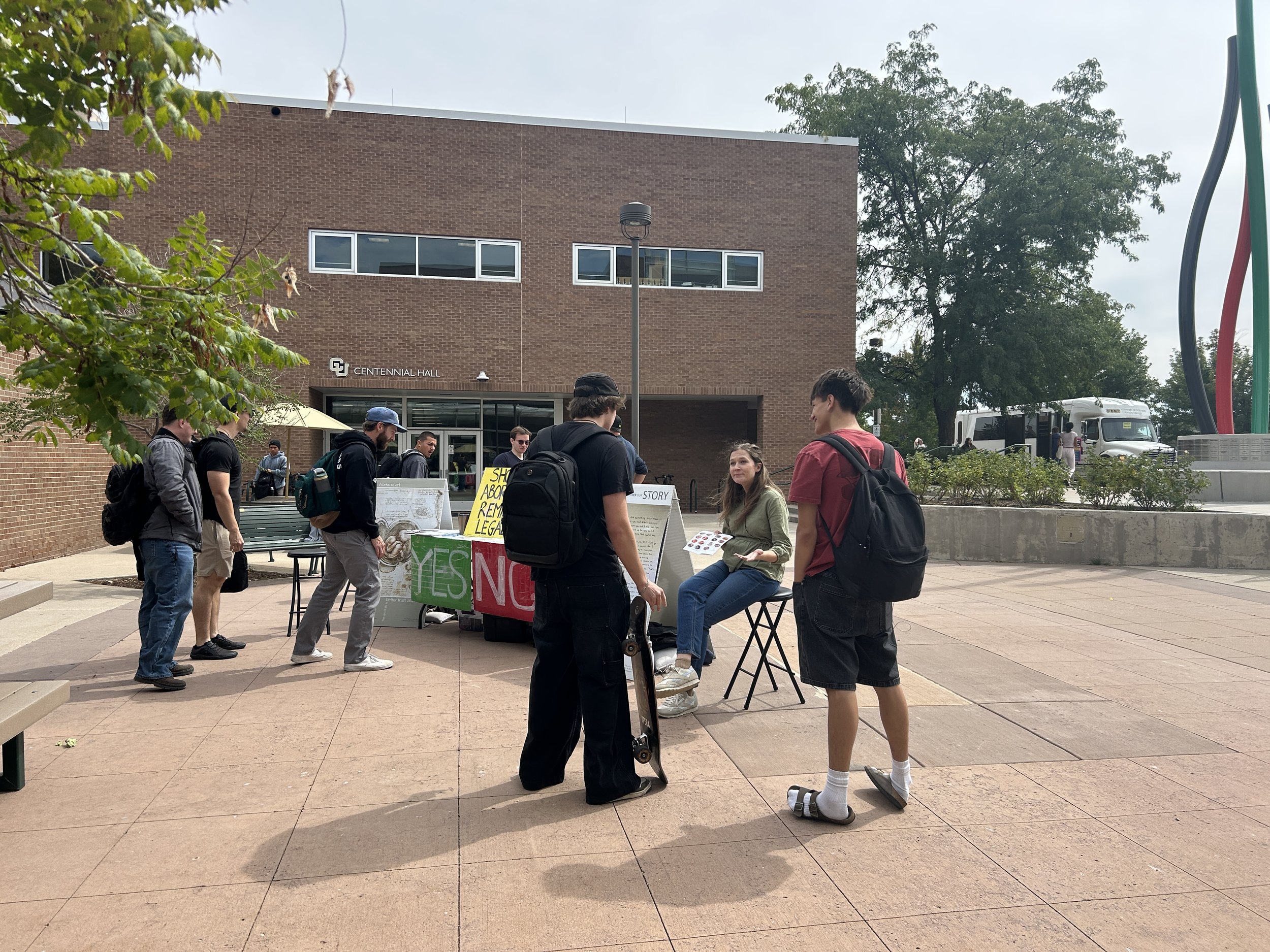
Right before my eyes, in that warm Wednesday sun, Ben’s resistance to the truth started to melt. Let’s back up about an hour. Ben paused at our display at MiraCosta College and shared his mixed thoughts on abortion. He showed openness to our position that abortion is injustice. We processed through the ideas carefully. Ben was gracious with me and respectfully asked questions and pushed back. Ben admitted that he was persuaded about abortion being an injustice for him personally, but that he struggled to fully embrace the pro-life view that abortion should be illegal for others. Honorably though, he admitted he couldn’t really explain his reasons or poke holes in the logic of pro-life laws.
For a solid stretch it felt like we just sat in the tension together. Ben processed through many angles and also shared about his newfound faith. He also shared the history of his life, including being in the military and having a hard‑working and heroic single mom. Then things began to visibly shift. He shared the horrific reality that his mother had been raped many years ago, and that’s how he was conceived. Through slow and serious speech he shared how he had felt for a long time, including up until our conversation, that this reality had made it tough for him to fully embrace the pro-life view. He lamented that to do so he would have had to admit that it would have been wrong for her to abort, and while thinking his mom heroic he had always affirmed that he wouldn’t have faulted her for aborting him. We talked about his inherent dignity and about how he can hold both truths in tension – that he can respect his mother and feel terrible for her story, yet also affirm the preborn’s humanity, even his own humanity in the womb. He could do both: love his mother and oppose abortion boldly, graciously, and carefully. Ben’s resistance to the truth melted right before me. He said he felt heard and, over the course of the conversation, realized where he had been holding on to lies. He was able to see how his emotions, his love for his mom, and his embracing of the tough reality that his mom still would have been committing an additional wrong by harming another vulnerable person – namely him – could all be true and respected at the same time.
Sitting Graciously Within the Tension
I met “Cassie” in April in Colorado. She had a lot of compassion for women in tough situations but felt uncomfortable with most abortions. Stopping short of saying abortion should be outlawed, she said, “We at least need some exceptions” and “I can’t judge others.” For a stretch in our conversation, she appeared to be impacted and really struggling with the reality of her conflicting beliefs. She struggled with the fact that we don’t allow killing outside the womb for any of these circumstances used as justifications for abortion, including a horrific home life, a very negative boyfriend, and intense poverty. Someone conceived through rape would still undoubtedly be protected outside the womb. I felt a palpable need to sit with Cassie in the tension as she was processing. She would start statements and then stop herself, not even feeling confident in her positions. The deeper hurts and realities then began to shine through and show the complexity for her. Cassie had been assaulted, and her aunt had had an abortion. The emotions caused by these realities seemed to be part of why Cassie had deep cognitive dissonance. Cassie is a self‑proclaimed Christian and struggled to hear of Biblical passages that pointed to her need to defend the weak. This, too, was something to sit patiently with, amidst the tension. If she had gotten pregnant, after all, she would have “wanted a way out.” We slowly worked through where we had common ground. The preborn embryo was absolutely a human being. In general she agreed humans should not be valued based on what they could do or what they looked like. She admitted that while the preborn clearly couldn’t live outside the womb early on or take care of themselves, it was actually those facts that seemed to give them the right to protection. She affirmed all these things, yet she still struggled to fully embrace the truth. That’s a lot of common ground and honesty. She was processing calmly. We both were. In the end my hope was to help her (1) to be more firm in personal opposition, (2) to admit the deep challenges to pro‑choice rhetoric, (3) to be more convicted to oppose elective abortion, and (4) to be more likely to deter friends from abortion regardless of the status of the law. These often are the only possible progress points.
Proper Empathy Doesn’t Inhibit Truth
For some people, a well-intentioned desire to empathize can deter them from fully seeing abortion as unjust for children. This can neutralize their impact on abortion. Does a person’s background or reasons for being tempted toward abortion matter? Yes. But those things don’t change the fact that the embryo or fetus, at whatever size or stage, is a unique human with inherent rights. Imagine a counselor working against child abuse or working against marital infidelity by studying and ministering to abusive parents or abusive spouses. Should she learn the intense backgrounds, understand pain, and consider the suffering that may have made these evils easier to fall into? Sure! But none of us would think that the counselor was a qualified or wise helper if her listening heart and empathetic demeanor caused her to start doubting if child abuse or spousal abuse was seriously immoral. Her caring mindset would guide her, but it would not change her deep convictions about these evils. In the same way, our increased understanding of the person’s story must not deter us from the passionate defense of the preborn human. It should soften our hearts and remind us of our dependence on God. It should also guide how we connect with people, humanizing our courageous questions as we seek to help people advocate for truth and stop injustice.
– Jonathan Wagner, for the JFA Team
Interns and Trainers at Recent Events